
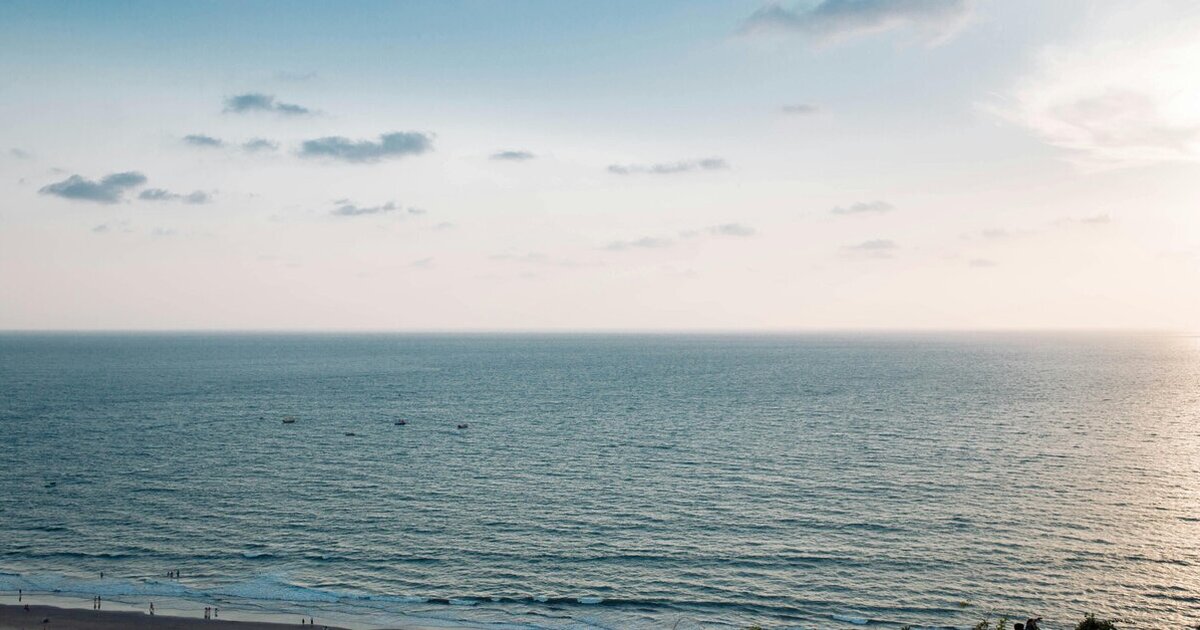
3 Days Heritage Goa Trip 2026 , Most people plan a Goa trip for beaches and nightlife — and completely miss the Goa that genuinely takes your breath away.
The Basilica of Bom Jesus — a UNESCO World Heritage Site housing the mortal remains of St. Francis Xavier. The Spice Plantation lunches where you eat surrounded by nutmeg, cardamom, and pepper vines. The 16th-century Portuguese churches rising from the jungle. The ancient Hindu temples of Ponda that survived four centuries of colonial rule. The crumbling laterite mansions of Goa’s old aristocracy with bougainvillea growing through their windows.
Heritage Goa is the most historically rich, most architecturally extraordinary, and most genuinely surprising version of this state — and almost nobody plans it properly.
This guide gives you the complete 3-day Heritage Goa itinerary, honest hotel costs across every budget, full expense breakdown, and a direct booking link so your trip is confirmed and completely ready.
Why Heritage Goa Deserves Its Own Trip
Goa was a Portuguese colony for 451 years — from 1510 to 1961 — and that extraordinarily long colonial presence created a cultural, architectural, and culinary legacy found nowhere else in India.
The combination of Portuguese Catholic heritage layered over ancient Hindu traditions, Konkani culture, and extraordinary natural landscapes makes Heritage Goa one of the most genuinely unique travel experiences in the entire country.
It is ideal for families who want substance alongside scenery, couples who want beauty without crowds, senior travellers who prefer cultural depth over beach parties, and first-time Goa visitors who want to understand what makes this state truly special.
How to Reach Goa
By Air: Goa International Airport (Dabolim) or the newer Mopa Airport (North Goa) connect Goa to Delhi, Mumbai, Bangalore, Varanasi, Hyderabad, and all major Indian cities. Flight time from Delhi is approximately 2 hours, from Mumbai 1 hour.
By Train: Madgaon (Margao) Railway Station and Thivim Railway Station are well-connected to Mumbai, Delhi, Varanasi, and Chennai. The Rajdhani and Jan Shatabdi Express from Mumbai are popular and comfortable options.
By Road from Mumbai: Approximately 580 kilometres via NH66. Drive time 10 to 11 hours — best done overnight or with a driver change.
For travellers combining Goa with a North India sacred circuit, our Varanasi Tour Package handles the complete Varanasi experience before your Goa flight — ghats, Kashi Vishwanath, Sarnath, and the Ganga Aarti in one confirmed booking.
Where to Stay in Heritage Goa — All Budgets
The best base for a Heritage Goa trip is Panjim (Panaji) — the state capital — or the Old Goa / Ponda area for maximum proximity to heritage sites.
Panjim — The Heritage Capital
Budget (₹1,500–₂,500 per room per night)
- Afonso Guest House — A beautifully maintained Portuguese-era home in the heart of Panjim’s heritage Fontainhas Latin Quarter. Clean rooms, colonial architecture, and the most atmospheric budget stay in Goa.
- Old Quarter Hostel — Boutique hostel in the Fontainhas heritage zone with private rooms available. Excellent location for heritage walking.
Mid-Range (₹3,500–₶7,000 per room per night)
- Mayfair Hotel Panjim — Well-located, comfortable, and walking distance from the Church of Our Lady of the Immaculate Conception and the Mandovi river front.
- Panjim Inn — A lovingly restored 200-year-old Portuguese-era mansion in Fontainhas with antique furniture and genuine heritage character. One of the most charming mid-range heritage stays in India.
- Vivanta Panaji (Taj) — Contemporary 4-star hotel on the Mandovi river with excellent service and views. ₹6,000–₹9,000 per night.
Luxury (₹12,000–₹35,000 per room per night)
- Cidade de Goa — A landmark beach resort near Panjim styled on a Portuguese colonial village. Extraordinary architecture, multiple restaurants, and a full-service spa. ₹12,000–₂₀,000 per night.
- Taj Exotica Resort & Spa (South Goa) — If luxury is the priority, Taj Exotica is the finest resort property in Goa — though it requires a 45-minute drive to heritage sites. ₹25,000–₹50,000 per night.
- The Verandah (Saligao) — A beautifully restored colonial villa near Old Goa with only 9 rooms, private pool, and extraordinary heritage character. ₹18,000–₹28,000 per night.
3 Day Heritage Goa Itinerary — Day by Day
Day 1 — Panjim & Fontainhas Latin Quarter
Morning — Arrive Goa & Transfer to Panjim
Arrive at Dabolim or Mopa Airport. Pre-arranged cab transfers you directly to your Panjim hotel. Check in, freshen up, and begin your heritage exploration after a light breakfast.
10:30 AM — Church of Our Lady of the Immaculate Conception
The most iconic church in Goa and one of the most photographed Portuguese colonial buildings in Asia — the brilliant white baroque facade rising above Panjim’s central square is the defining image of the city. Built in 1541 and rebuilt in 1619, this church was one of the first buildings the Portuguese constructed after establishing Goa as their colonial capital. Allow 30–40 minutes.
11:30 AM — Fontainhas Latin Quarter Heritage Walk
Fontainhas is Goa’s most perfectly preserved Portuguese neighbourhood — a labyrinth of narrow lanes lined with colour-washed houses in ochre, green, and blue, wrought-iron balconies dripping with bougainvillea, small Catholic chapels, and the extraordinary quietness of a neighbourhood that genuinely feels like it belongs to another century.
The Chapel of St. Sebastian at the end of January 31st Street is a must-visit — housing a crucifix originally from the Goa Inquisition palace and surrounded by some of the most beautiful colonial houses in the quarter. Allow 60 to 90 minutes for the complete Fontainhas walk.
1:30 PM — Lunch at Panjim’s Heritage Restaurants
Panjim has some of the finest traditional Goan cuisine in the state. Ritz Classic near the Municipal Gardens serves the most authentic Goan fish curry rice, prawn balchão, and xacuti in the city. For vegetarians and heritage travellers, Cafe Bhonsale near Fontainhas serves excellent Goan-Hindu vegetarian thalis. Budget ₹250–₶500 per person.
3:00 PM — Goa State Museum & Secretariat Building
The Goa State Museum houses an extraordinary collection of Portuguese-era furniture, Christian religious art, Hindu temple bronzes, and historical documents spanning 500 years of Goan history. The Secretariat Building nearby — one of the oldest surviving Portuguese colonial administrative buildings in India — is architecturally significant and historically fascinating. Allow 60–75 minutes combined.
4:30 PM — Mandovi River Sunset Cruise
A 1-hour sunset cruise on the Mandovi river — with traditional Goan folk music and dance performances onboard — is one of the most relaxed and atmospheric ways to end your first Goa evening. The views of Panjim’s riverfront, the Old Goa churches visible in the distance, and the Mandovi estuary opening towards the Arabian Sea at sunset are genuinely beautiful. Cost: ₹200–₶400 per person for standard cruises. Private cruise options available through your hotel for ₹3,000–₶5,000 per group.
Evening — Dinner at Panjim’s Heritage Cafés
The Heritage Quarter around Fontainhas comes alive with small restaurants and cafés in the evening. Viva Panjim on 31st January Street is a beloved local institution — outdoor tables in the lane, traditional Goan fish preparations, and a warm neighbourhood atmosphere. Budget ₹400–₶700 per person.
Day 2 — Old Goa: The Rome of the East
8:00 AM — Depart for Old Goa (9 km from Panjim)
Old Goa — once the capital of Portugal’s entire Asian empire and one of the most magnificent cities in the 16th-century world — is now a UNESCO World Heritage Site. At its peak, Old Goa had a population larger than Lisbon and London combined. Today it is a collection of extraordinary churches and convents rising from the jungle — the most remarkable concentration of European colonial architecture in Asia.
8:30 AM — Basilica of Bom Jesus
The Basilica of Bom Jesus is the most sacred and historically significant church in Goa — and one of the most important Catholic heritage sites in Asia. Built in 1605 in Baroque architecture using local laterite stone, the Basilica houses the mortal remains of St. Francis Xavier — the Jesuit missionary who brought Christianity to Asia — in a silver casket placed inside a three-tiered mausoleum of Florentine jasper and marble gifted by the last Medici Grand Duke of Tuscany.
The body of St. Francis Xavier has been preserved for over 450 years without embalming — a fact that continues to draw pilgrims and curious visitors from across the world. The Exposition of St. Francis Xavier — when the body is displayed publicly — takes place once every 10 years (next in 2034) and draws millions of pilgrims from across India and the world.
Allow a full 60 minutes minimum. The interior art, the gilded altarpiece, the profundity of the historical legacy, and the quietness of the morning at this site create an atmosphere unlike anything else in Goa.
10:00 AM — Se Cathedral
Just across the road from Bom Jesus, Se Cathedral is the largest church in Asia — a magnificent Portuguese Gothic structure built between 1562 and 1619. The Golden Bell in its tower — one of the largest bells in the world — is rung on special occasions and its sound carries across the Old Goa jungle for kilometres. The interior — with its six chapels, gilded altarpiece, and extraordinarily carved wooden elements — is one of the most lavish colonial interiors in India. Allow 40–50 minutes.
11:00 AM — Church of St. Francis of Assisi & Archaeological Museum
Built in 1661 on the foundations of a 1517 chapel, the Church of St. Francis of Assisi is the most beautifully decorated of all Old Goa’s churches — the entire floor is covered with tombstones of Portuguese nobility, each carved with their family coats of arms. The Archaeological Museum adjoining the church contains an extraordinary collection of Goan Hindu sculpture, colonial portraits, and pre-Portuguese artefacts. Allow 45–60 minutes combined.
12:30 PM — Lunch near Old Goa
Several good restaurants operate near the Old Goa heritage complex. Florentine Restaurant near the Mandovi river bridge serves excellent Goan fish curry and cafreal. Budget ₹250–₶450 per person.
2:00 PM — Church of Our Lady of the Mount & Viceroy’s Arch
Our Lady of the Mount — a small hilltop church above Old Goa reached by a short climb — offers the most panoramic view of the Old Goa heritage zone, the Mandovi river, and the surrounding jungle landscape available from any accessible point. The Viceroy’s Arch at the Old Goa river landing was the ceremonial gate through which every Portuguese Viceroy entered their Asian capital. Both are deeply atmospheric and rarely crowded. Allow 45–60 minutes combined.
3:00 PM — Pilar Seminary & Monastery
One of the oldest and most beautifully situated seminaries in India, Pilar Seminary sits on a hilltop above Old Goa with extraordinary views and a deeply peaceful atmosphere. The attached Museum of Christian Art houses Goa’s most important collection of Indo-Portuguese religious artworks. Allow 45 minutes.
Evening — Return to Panjim
Day 3 — Ponda Spice Farms & Hindu Temples
9:00 AM — Drive to Ponda (30 km from Panjim)
Ponda taluka is the heart of Goa’s Hindu heritage — the region where ancient temples survived the Portuguese era by being relocated deep into the jungle and where Goa’s extraordinary spice plantations cover thousands of acres of the Western Ghats foothills.
10:00 AM — Shri Mangeshi Temple
The most important and most visited Hindu temple in Goa, the Shri Mangeshi Temple is dedicated to Lord Shiva in his Mangesh form — a uniquely Goan Shaivite deity. The temple’s distinctive white-and-yellow architecture, the lamp tower (deepastambha), and the temple tank create an extraordinary visual impression unlike any temple in mainland India. The fusion of Hindu temple architecture with Portuguese-influenced elements is a beautiful reflection of Goa’s unique cultural synthesis. Allow 40–50 minutes.
11:00 AM — Shri Shantadurga Temple
One of the most revered temples in Goa, Shantadurga Temple in Kavlem is dedicated to the goddess who mediated peace between Lord Shiva and Lord Vishnu. The temple’s Baroque-influenced architecture — a direct result of its proximity to Portuguese colonial culture — is extraordinary and unique. Allow 30–40 minutes.
12:00 PM — Spice Farm Plantation Lunch
This is the single most beloved experience on the entire Heritage Goa circuit — and one of the best lunch experiences in India.
Goa’s spice farms — Sahakari Spice Farm, Tropical Spice Plantation, and Pascoal Spice Village are the most established — offer guided walks through working plantations of cardamom, pepper, nutmeg, vanilla, cloves, turmeric, and cinnamon, followed by a traditional Goan buffet lunch served on banana leaves in an open-air riverside setting.
The lunch — typically including prawn curry, fish recheado, chicken cafreal, sol kadi, and fresh coconut desserts — is extraordinary. The plantation walk with a knowledgeable guide explaining every spice and its uses takes approximately 45 minutes. Lunch is served immediately after.
Cost: ₹650–₹1,200 per person including plantation walk, lunch, and a complimentary spice pack. Budget: ₹650 per person at standard farms. Mid-range: ₹850–₹1,000 at Tropical Spice Plantation. Premium: ₹1,200+ at boutique plantation experiences.
Allow 2.5 to 3 hours for the complete plantation and lunch experience — one of the most leisurely and satisfying midday stops on any Goa itinerary.
3:30 PM — Tambdi Surla Mahadev Temple (Optional — 65 km from Ponda)
For serious heritage travellers with the energy for an extra excursion, the Tambdi Surla Temple deep in the Bhagwan Mahavir Wildlife Sanctuary is the oldest surviving Hindu temple in Goa — a 12th-century Kadamba-era basalt temple that survived the Portuguese period entirely because of its remote jungle location. The drive through the Western Ghats forest is extraordinary and the temple itself — small, perfectly proportioned, and utterly serene in its jungle clearing — is one of the most moving architectural experiences in Goa. Allow 3 hours total including travel. Recommended for heritage enthusiasts — not suitable for elderly travellers or groups with limited mobility.
4:30 PM — Mahalasa Temple & Ramnath Temple
Two more of Ponda’s ancient Hindu temples — Mahalasa (dedicated to a uniquely Goan form of Goddess Lakshmi) and Ramnath (one of the few temples in India housing both Shiva and Vishnu in one complex) complete the Ponda temple circuit beautifully. Allow 45 minutes combined.
6:00 PM — Return to Panjim
Evening — Final Goa Dinner at a Heritage Restaurant
End your Heritage Goa trip with a proper farewell dinner. Fisherman’s Wharf in Cavelossim, Gunpowder in Assagao, or the rooftop restaurant at Panjim Inn in Fontainhas are all exceptional choices — each offering a different but equally memorable final Goa evening. Budget ₹500–₹1,000 per person.
3 Day Heritage Goa Trip — Complete Cost Breakdown
Budget Package (Group of 4, Self-Drive or Local Cab)
- Accommodation (2 nights, budget guesthouse): ₹800–₁,500 per person per night
- Local cab / auto for 3 days: ₹1,500–₂,000 per day
- Meals (3 days): ₹400–₶600 per person per day
- Spice farm lunch: ₹650–₀₈00 per person
- Entry fees (churches, museum, cruise): ₹400–₶600 per person
- Approximate total per person (group of 4): ₹6,000–₹9,000
Mid-Range Package (Couple, Private Cab)
- Accommodation (2 nights, heritage hotel): ₹3,500–₶6,000 per room per night
- Private cab for 3 days: ₹4,500–₶6,000 total
- Meals (3 days): ₹600–₀₁,000 per person per day
- Spice farm premium lunch: ₹1,000–₁,200 per person
- Mandovi sunset cruise (private): ₹3,000–₀₅,000 per group
- Approximate total per person (couple): ₹14,000–₂₀,000
Luxury Package (Couple, Luxury Property + Private AC Cab)
- Accommodation (2 nights, Cidade de Goa / The Verandah): ₹15,000–₀₂₅,000 per room per night
- Luxury AC cab with driver for 3 days: ₹8,000–₹12,000 total
- Meals (fine dining): ₹1,500–₂,500 per person per day
- Private plantation experience: ₹1,500–₂,000 per person
- Approximate total per person (couple): ₹35,000–₀₅₅,000
Group Package (10–12 People, Tempo Traveller)
- Tempo Traveller for 3 days: ₹9,000–₀₁₂,000 total
- Accommodation (2 nights, budget): ₹600–₁,000 per person per night
- Meals + all activities: ₹800–₁,200 per person per day
- Approximate total per person (group of 10): ₹4,500–₶7,000
For groups, our Tempo Traveller service provides the most economical and comfortable group travel solution — keeping your entire group together across every heritage site in Goa.
Combine Heritage Goa with the North India Sacred Circuit
Many travellers completing a Heritage Goa trip extend their India journey to include the spiritual heartland of Uttar Pradesh.
Our Varanasi Ayodhya Prayagraj Tour covers the complete sacred triangle in one seamless booking — the perfect spiritual extension after Goa’s colonial and Hindu heritage experience.
Begin your Varanasi morning with a Varanasi Boat Ride at sunrise — an experience that pairs extraordinarily powerfully with your Goa heritage memories in creating a complete picture of India’s most layered spiritual and cultural traditions.
Smart Tips for Your Heritage Goa Trip
Visit Old Goa before 10:00 AM on weekdays. The Basilica of Bom Jesus and Se Cathedral receive thousands of visitors daily during peak season. Arriving before 9:00 AM gives you the most peaceful and deeply felt experience — the light inside these churches at morning hours is extraordinary.
Book the spice farm lunch in advance. The most popular spice farms — Tropical Spice Plantation and Sahakari Spice Farm — fill their lunch seatings fast during peak season between November and February. Call ahead or book through your hotel concierge.
Dress modestly for all churches and Hindu temples. Both religious traditions on this circuit require covered shoulders and knees. Carry a light scarf or stole for impromptu temple and church visits throughout the day.
Hire a local guide for Old Goa. The historical depth of the Basilica of Bom Jesus and Se Cathedral is incomprehensible without context. A local certified guide (₹500–₀₈00 for 2 hours) transforms these sites from impressive buildings into genuinely moving historical experiences.
October to February is peak Heritage Goa season. The weather is perfect — cool, dry, and ideal for walking the Fontainhas lanes, the Old Goa complex, and the Ponda temple circuit. March to May is hot but manageable for heritage visits if you start early. Monsoon (June to September) makes Goa extraordinarily green and beautiful but some heritage sites experience flooding.
Carry cash for smaller sites and local restaurants. While larger heritage properties and hotels accept cards, the best local restaurants, spice farm entry counters, and temple donation points are largely cash-based. Keep ₹1,500–₂,000 per person per day.
Don’t rush Fontainhas. The Fontainhas Latin Quarter is best experienced at a genuinely slow pace — stopping at any open doorway, accepting a local’s offer of chai, photographing every painted wall and wrought-iron balcony. This neighbourhood reveals itself only to those who are not in a hurry.
How to Book Your Heritage Goa Trip
Chat on WhatsApp for instant booking — share your travel dates, group size, departure city, preferred accommodation tier, and any specific heritage sites you want to prioritise. Our team builds your complete Heritage Goa itinerary, confirms cab and transfer arrangements, and shares the full cost breakup before any payment.
A small advance confirms your booking. Balance paid before departure. One booking, complete support, zero complications.
FAQs
Q1. What is the cost of a 3-day Heritage Goa trip?
A budget 3-day Heritage Goa trip starts from ₹6,000–₀₉,000 per person for a group of 4. A mid-range package costs ₹14,000–₀₂0,000 per person for a couple. A luxury package with premium colonial hotels starts from ₹35,000–₀₅5,000 per person for a couple.
Q2. Is Heritage Goa suitable for families with elderly members?
Yes — Heritage Goa is one of the most elderly-friendly Goa experiences available. The heritage churches, Fontainhas walks, and spice farm lunches involve minimal physical exertion and maximum cultural richness. The Tambdi Surla Temple extension is the only stop not recommended for limited mobility travellers.
Q3. When is the best time to visit Heritage Goa?
November to February is ideal — perfect weather, manageable crowds at churches and temples, and the spice farms at their most fragrant and productive. The Feast of St. Francis Xavier on December 3rd draws enormous crowds to Old Goa — book accommodation well in advance if visiting around this date.
Q4. Can I combine Heritage Goa with beach Goa in 3 days?
Yes — partially. Adding Calangute or Baga beach on Day 1 evening or Day 3 afternoon is possible without disrupting the heritage circuit significantly. However a dedicated heritage itinerary gives you the deepest and most satisfying Goa experience available.
Q5. Is a Tempo Traveller available for Heritage Goa group tours?
Yes. TripCosmos arranges local Tempo Travellers for Heritage Goa group circuits. Get details instantly on WhatsApp for group availability, local Goa cab pricing, and combined North India plus Goa package options.
Heritage Goa is the Goa that stays with you long after the beach tan has faded — the golden Baroque churches, the spice-scented plantation lunches, the Portuguese lanes of Fontainhas, and the ancient Hindu temples of Ponda creating a travel experience that is genuinely unlike anything else in India. Chat on WhatsApp for instant booking and let TripCosmos plan your perfect Heritage Goa journey.





Comments are closed.